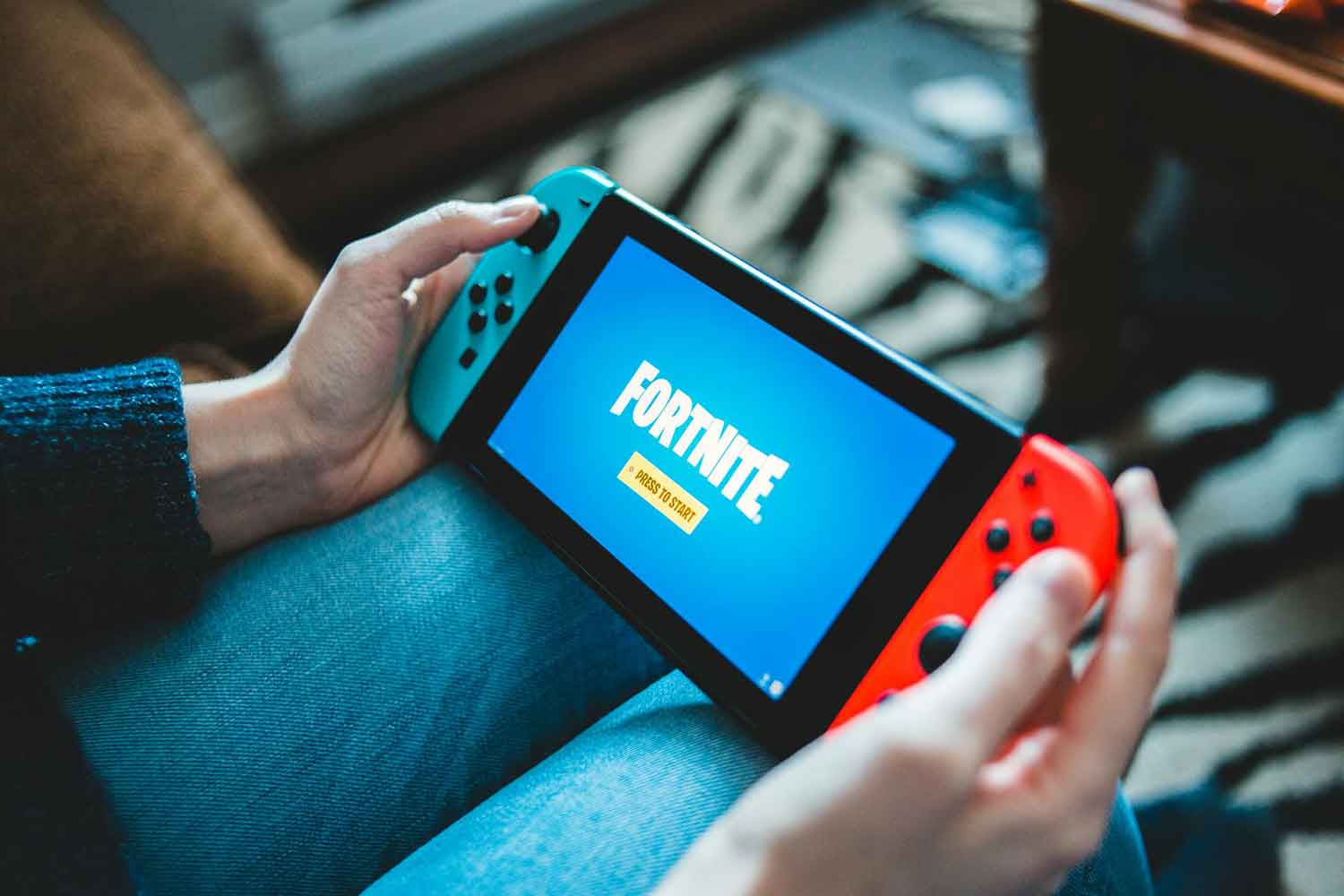
The Switch 2 has been another certified success for Nintendo globally, and its French launch was unsurprisingly successful, with more than 200,000 units flying off the shelves almost immediately, while first-year sales in France topped 600,000.
What drew players to the Switch 2 was a combination of hype for new games that can’t be played anywhere else and the promise of backward compatibility with their existing library of Switch titles. While Nintendo might want to focus on its Switch 2 exclusives, the reality for most French owners is that it’s backward compatibility that makes more of a difference to the desirability of their latest console acquisition.
The Economic Imperative
When the original Switch arrived back in 2017, it was an important next step for Nintendo, breaking away from the flawed but fun Wii U and introducing a focus on handheld gaming mixed with in-home console capabilities. It sold by the bucketload, and its comparative affordability in contrast with other consoles enhanced its appeal to budget-focused players.
Smash cut to the present day, and the Switch 2 arrived in very different circumstances. French gamers had less disposable income and faced steeper asking prices for hardware and software alike. The prospect of paying over €70 for platform exclusives simply isn’t that appealing.
So, with cost a concern, backward compatibility enters the equation in a big way. Being able to buy and play second-hand Switch 1 games on Switch 2, at a much lower price point, knocks the economic issues on the head.
The Player Habit Factor
Things have changed a lot since the original Switch landed. While its portable gaming credentials were novel, the market has since become swamped with competitors, particularly in the PC space where the Steam Deck reigns supreme. And with French gamers also using their phones to play online, whether that’s via a dedicated app or a browser-based experience like Tikal Casino France, the Switch 2’s exclusives have a harder time vying for the divided attention of modern audiences.
Backward compatibility is key to filling the gap, since it means you don’t just have to play the very involved, story-driven, single-player type of games that Nintendo publishes as first-party exclusives. Instead, you can look back over the library to more bite-sized experiences, whether that’s via cartridge-stored games or digital store downloads.
The Preservation Angle
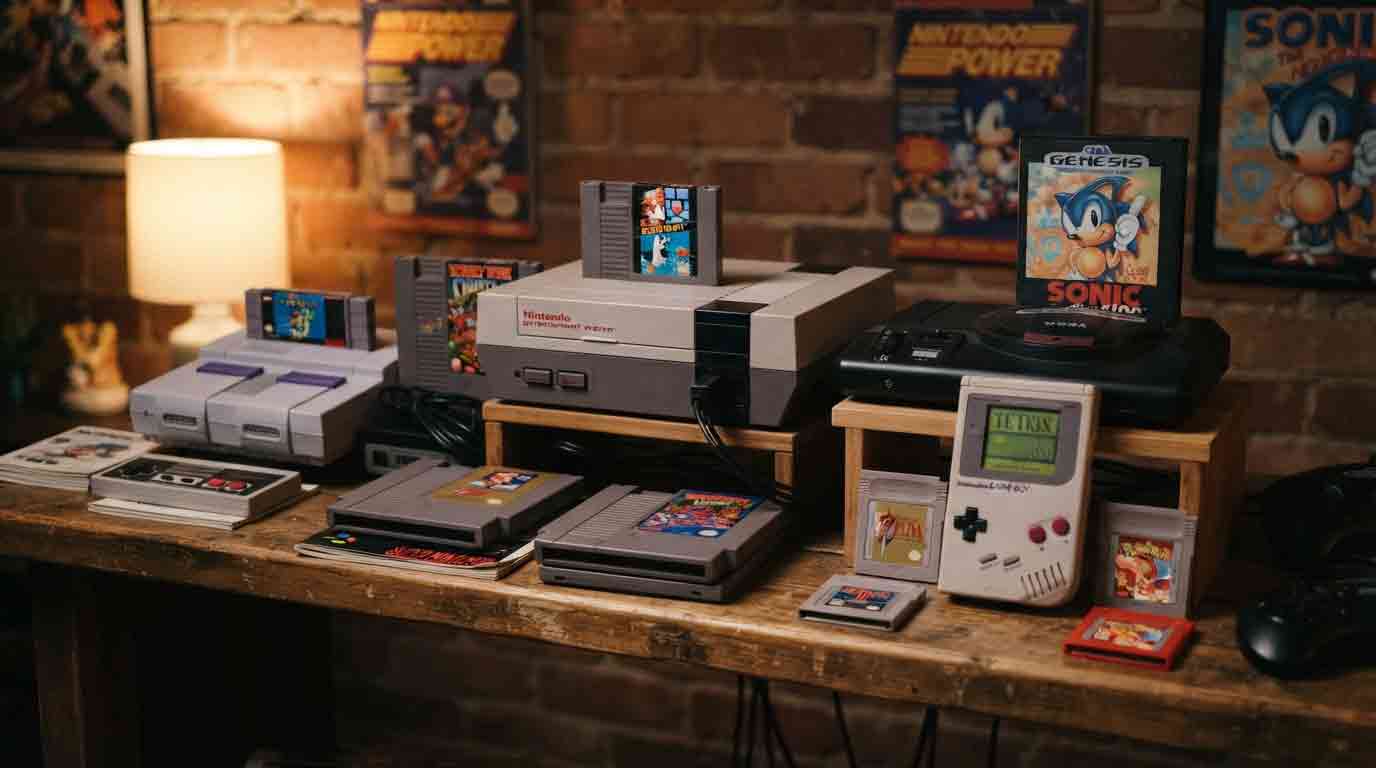
France is a country with a strong affiliation with its history, and that applies to games as much as it does to art and language. So when it comes to preserving gaming history, backward compatibility is essential, as without it, titles released for consoles and systems that are no longer supported become unplayable.
That’s one of the reasons for all the furor around Sony’s decision to stop making disc-based games for the PS5. While Nintendo won’t take the same approach with the Switch 2 in the short term, it’s not impossible to imagine a future where French players will be forced to buy and access game data via digital download, not cartridge.
So, France is a country where having backward compatibility on Switch 2 really is more important than being inundated with platform exclusives, whether at launch or a few years into the console’s lifecycle.